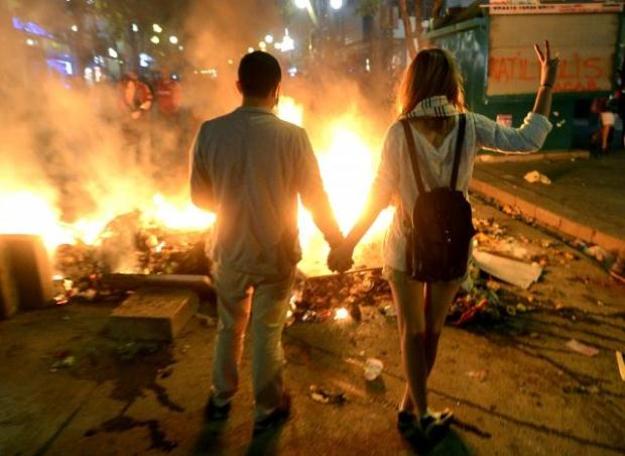
Today marks the 8th anniversary of Taksim Gezi Park Protests. Despite the fast elapsed years, the Gezi movement marking the summer of 2013, remained a harbinger of a political and social transformation in Turkey.
How did it start ? Was it only about “a couple of trees”?
On 27 May 2013, in Istanbul Taksim Gezi Park, 50 people decided to resist to the dismantling of the trees in order to stop the government from reconstructing Artillery Barracks (a whole other story). As of the 31st of May, solidarity demonstrations started to arise in Ankara and in İzmir.
Sure it started as a green movement but quickly became a mass protest chain with the participation of many who were against the government’s oppressive policies. Simply, main triggers were the adoption of an authoritarian governance style by AKP and the emergence of a “leader figure” who gathered a lot of power and will in his person.
So no, it was not only about “a couple of trees”, not only about “a park”. It was about not being heard. It was about the abuse of state power. It was about media being censored. It was about minorities not being protected. It was about seeking democracy.
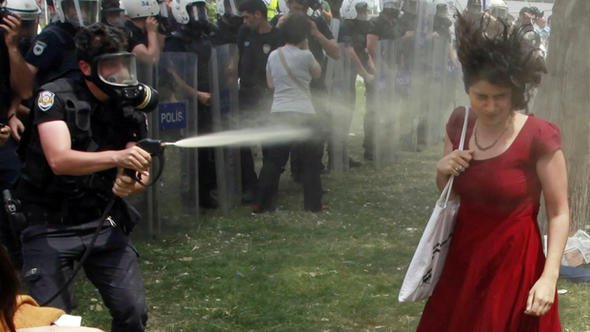

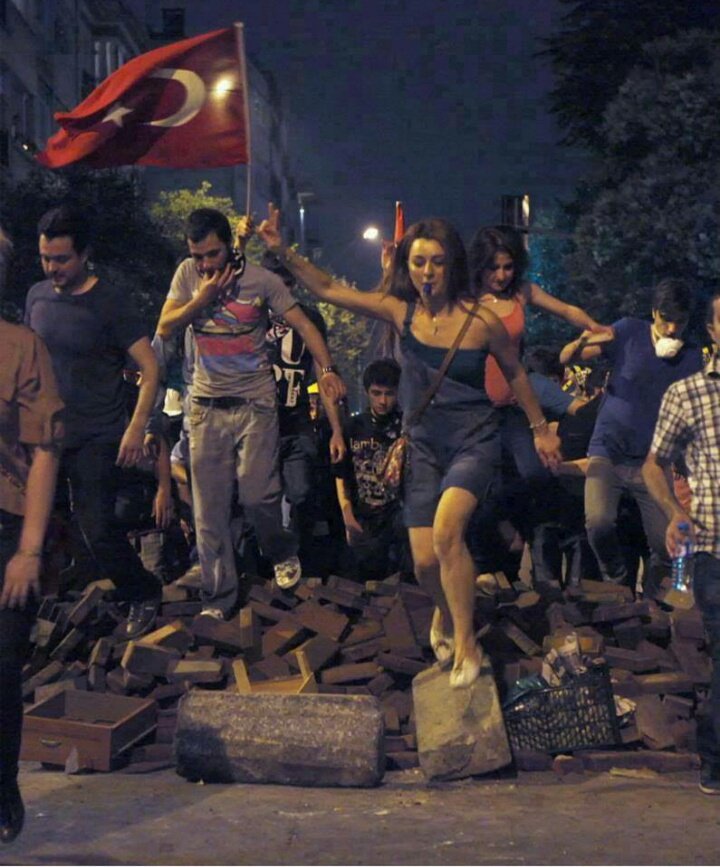
As a result of the disproportionate use of force by the police towards unarmed civilians, the number of people participating in the protests increased and the protests spread to the other cities of Turkey. Gezi Park Protests were held in 79 of Turkey’s 81 provinces and around 4 million people participated in the protests. During the protests hundreds of people were arrested, more than 120 of them were prosecuted. Many died, tragically.
Ali İsmail Korkmaz (19), Ethem Sarısülük (26), Mehmet Ayvalıtaş (20), Abdullah Cömert (22), Mustafa Sarı (27), Medeni Yıldırım (18), Berkin Elvan (15), Ahmet Atakan (22), Zeynep Eryaşar (50), Serdar Kadakal (37) …
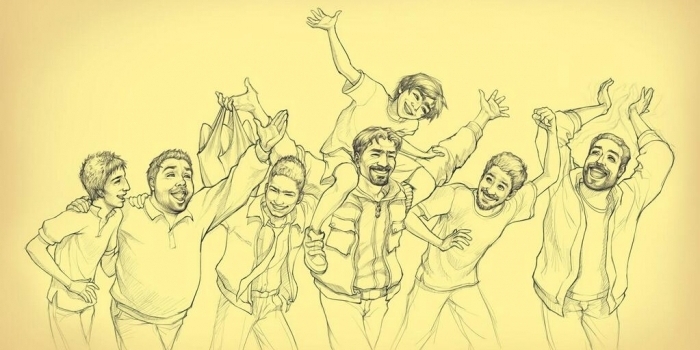
Spirit of « Gezi » : Spirit of Solidarity & Power of Plurality
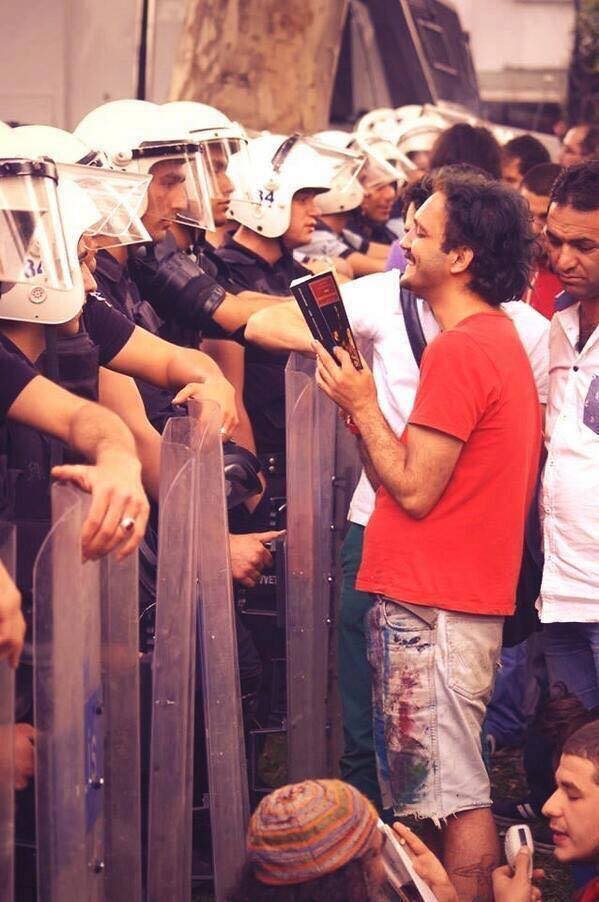
Gezi Park Protests involved people with different social status and different identities. The demand for conservation of Gezi Park as a green area and other social demands blocked in the current neoliberal conservative order formed a unity on the basis of sharing a common sense of frustration. Sharing the feeling of being left out, feeling of rejection. This was one of the reasons that made the movement sympathetic to a wide range of people.
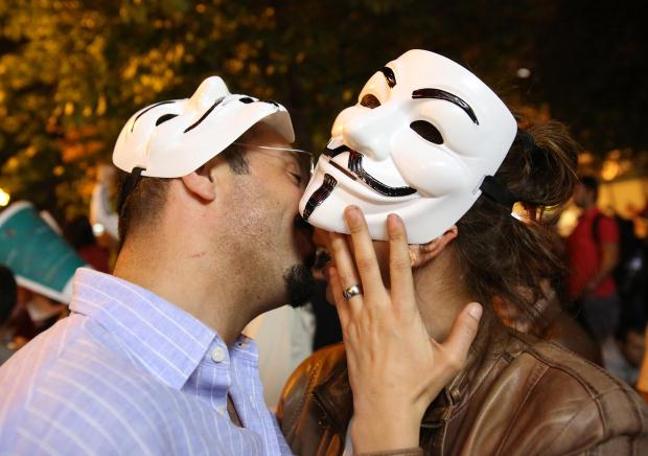
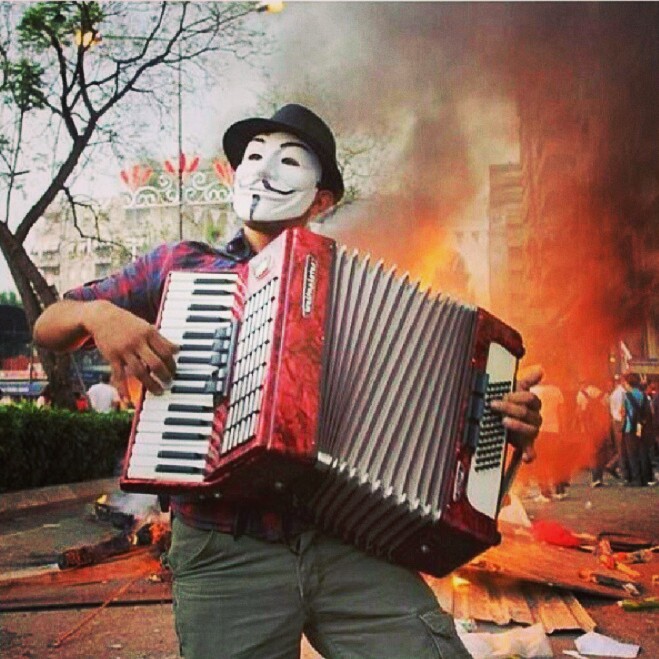
People of Turkey trying to maintain their differences in defiance of ideological polarization and divisions in Turkish politics. Not to forget, doing so with an amazingly smart sense of humour…
Perfect Time to Learn About the Life of Penguins
On June 1st, when the protests peaked, Taksim Square was blocked by roadblocks and millions poured into the streets all around the country. Meanwhile CNN Turk was broadcasting a penguin documentary, instead of covering the protests. This later became not only a symbol of the mainstream media’s efforts to cover up the events, but also a symbol of resistance.
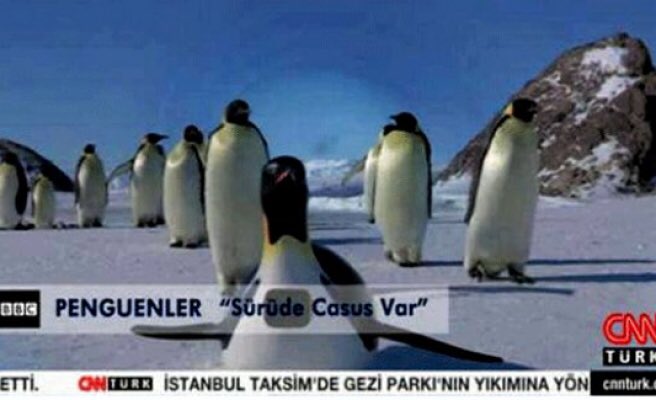
Not only CNN Turk but most of the mainstream media seemed to prefer silence or sometimes even preferred making stories up rather than reporting the truth. Why? Most mainstream media outlets are owned by companies who have strong financial ties with the government because of their lucrative deals in other business lines. Reasoning behind is not rocket science. Quite common phenomenon.
And of course, as seen in many authoritarian regimes, the government was (and is still, excessively) inclined to use the judicial system against those who openly criticised it.
Gezi Park movement was one of the periods in recent history that resulted in Turkish mainstream media losing its prestige and credibility.
An alternative to mainstream media? In Turkey’s media landscape, where mainstream media steadily converge under big media conglomerates having close ties with the government, social media is heavily used and sometimes takes over the watchdog role from the hands of censored mainstream media. (Of course always with the risk of misinformation, however unfortunately in Turkey this risk is not bigger than the misinformation of the mainstream media.) This is why Turkish protestors intensively used social media, and also to seek the attention of foreign media.
Blurred Concept of Democracy
Gezi Park Protests went far beyond being a simple protest that sought to influence corporate politics. The protests turned into a “resistance” movement against the government’s authoritarian attitude.
Since then (and even before then) we have been going downhill. Losing count of years of oppression. Still stuck in the non-ending discours of “big plot” led by “foreign powers” to shatter Turkey. The same discours is recycled relentlessly whenever there is a political scandal. Which happens quite often.
Because the President himself and the ruling party are elected by the citizens, many might choose to believe that there is somewhat democracy in Turkey.
True democracy is not only based on elections. In true democracies people can question and amend government initiatives. A true democracy allows for protests and does not forcefully supress them. In a true democracy media is independent and reports in a balanced way. A true democracy stands by the freedom of speech. A true democracy cherishes its differences and minorities. So it is up to you to decide, if it is a democracy or not.
P.S.: Now we have a YouTuber mafia. “Sedat Peker, the Debunker” I call him.
Supposedly exposing the love triangle of “Government & Mafia & Media”. He is publishing a video every Sunday morning and recently has reached over 10 million views.
Enjoy the show. (I guess…)


 food and politics
Leave a comment