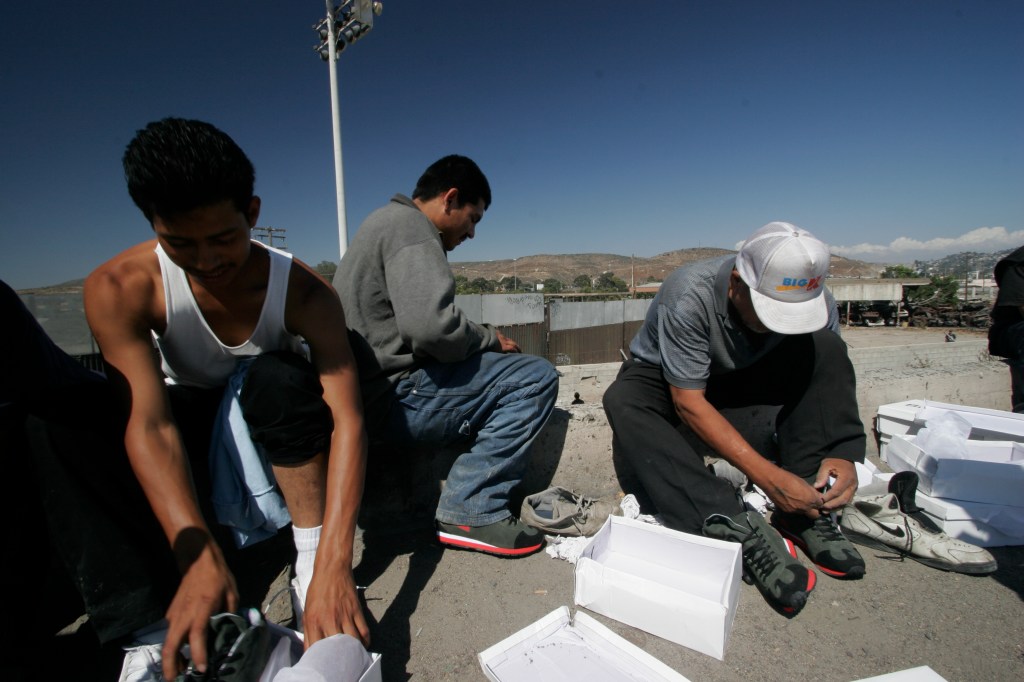
There are times that we are lucky enough to stumble upon something so strikingly thought-provoking that it stops us and makes us wonder about the world we live in. That’s what happened to me when I learned about “Brinco” by Judi Werthein. For those of you who might not be familiar, Brinco is a project showing the profound dichotomy between the mobility of goods and that of humans. Produced in China, sold in the United States, and distributed as part of charity in Tijuana, Brinco sneakers – equipped with a torch, map and compass – were designed for people intending to cross the border from Mexico to the US. This juxtaposition of goods moving freely across borders, while humans face barriers makes me think: in today’s world, do goods hold more value than people? This question isn’t just rhetoric; it’s a mirror reflecting the complexities of our global society.
Goods without borders
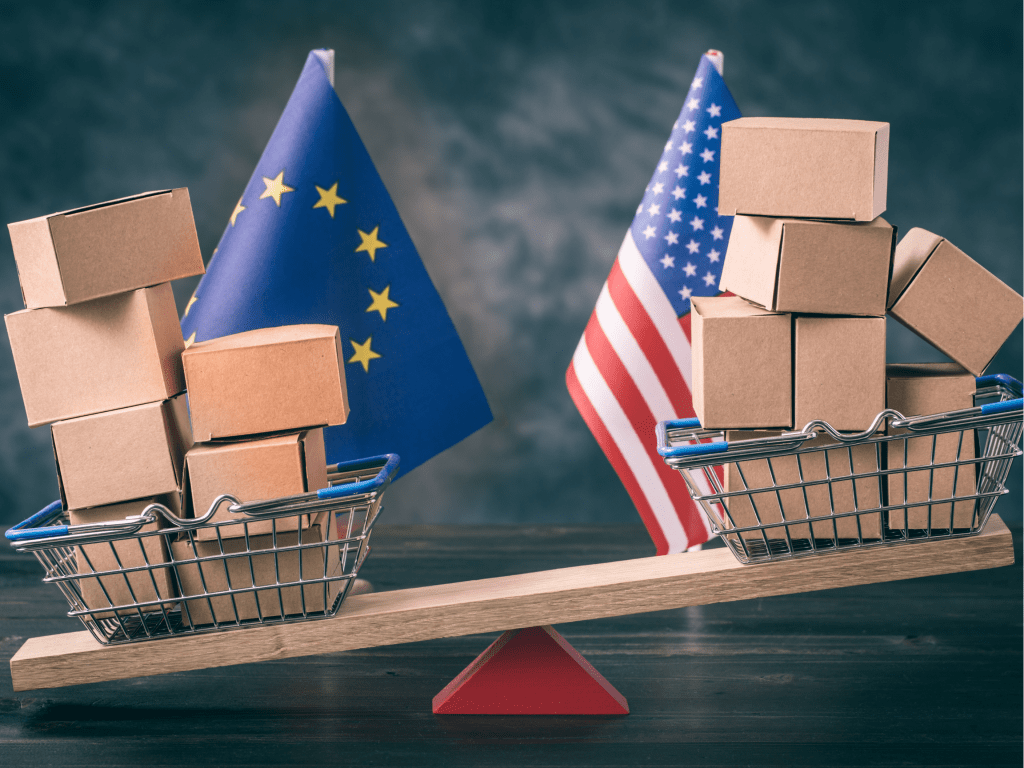
Think about the last item you purchased online. Perhaps it was made in a country thousands of miles away from you. It’s fascinating how goods can traverse continents with ease, isn’t it? The flow of goods is relentless, powered by a global supply chain that never sleeps. Actually for quite some good reasons, global trade and economic systems are intricately designed to keep the movement and exchange of goods. It’s a testament to human ingenuity, sure, but also a stark reminder of the economic priorities that drive our world, often sidelining human values and complexities.
Contrast this with the movement of people. Unlike goods, people face myriad barriers when attempting to cross borders. Legal hurdles, physical walls, and the perilous journeys undertaken by many in search of a better life highlight a grim reality: not everyone is free to move. The disparity, the struggles faced by migrants are reminders that in the eyes of today’s world, the freedom to move is not a given.
The freedom of goods vs the freedom of people
Do we live in a world where goods are valued more than people? It seems so. The global economy is built on the premise that goods must move freely to sustain growth and prosperity. Yet, when it comes to people, especially those from less affluent backgrounds seeking better opportunities, the doors often remain closed.
This leads me to question our highly polarised societies and systems ranging from capitalist models that prioritise profit and efficiency, potentially exacerbating inequalities, to socialist and mixed economies aiming for greater social welfare yet grappling with their own set of challenges in ensuring equitable resource distribution.
Surely I’m not ignoring the realities of the word we live in, various issues and aspects that need to be regulated that comes with the freedom of movement of people. But yet again, what does all this say about our priorities as a society? Is it time for a collective re-evaluation? The free movement of goods is undoubtedly important for economic and social reasons. However, shouldn’t the freedom and dignity of people be held in even higher regard? Each person carries a unique story, hopes, and dreams. Reducing their value to less than that of inanimate objects is a reflection of our collective failure to recognise the fundamental rights and worth of every human being.
Are we content to live in a world where goods are valued more than people? Or can we imagine, and work towards, a different kind of progress?
Our vision for the future should be about aspiring to build bridges, not walls.

 food and politics
Leave a comment